
Tackling Antimicrobial Resistance with Rapid Diagnostics
Enabling healthcare professionals to combat antimicrobial resistance (AMR)
What Is Antimicrobial Resistance and Why Does It Matter?
- Antimicrobial Resistance (AMR) occurs when bacteria, viruses, fungi and parasites no longer respond to antimicrobial medicines. In 2019, it is estimated that bacterial AMR was directly responsible for 1.27 million global deaths and contributed to 4.95 million deaths.
- AMR is a global issue – it affects people in all countries and at all income levels.
- Resistance to frontline treatment makes infections harder to treat and significantly increases the risks associated with common medical procedures, such as surgery, caesarean sections and cancer chemotherapy.
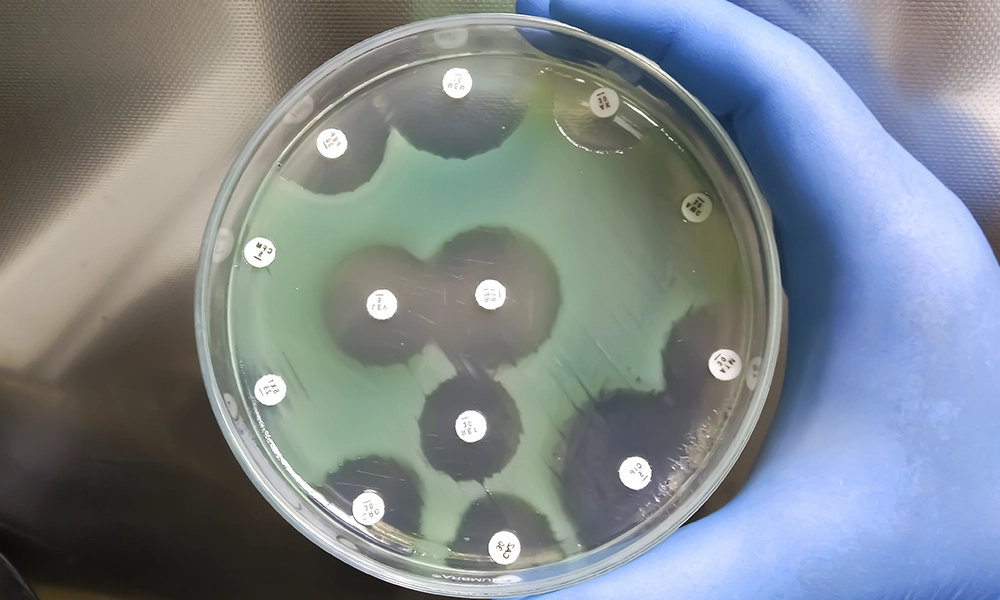

The Role of Diagnostics in Fighting AMR
- Accurate and rapid diagnostics can inform clinical decision-making and help to reduce unnecessary antibiotic use.
- Ensuring universal access to quality diagnostics and appropriate treatment of infections is a priority for global health organisations.
- Improved diagnostics support surveillance efforts, enabling health systems to track resistance patterns and respond to emerging threats more effectively.
Take action against AMR
Swift, informed diagnostics make a difference for patients and for the future of medicine.
Enquire now and learn about more about our research and collaboration opportunities.
How Our Diagnostic Solutions Address AMR
Our Q-POC platform delivers multiplex diagnostics, providing rapid identification of resistant pathogens in minutes
Key features and benefits tailored to AMR challenges:
- Rapid turnaround time.
- High sensitivity and specificity.
- Portable and easy-to-use for various healthcare settings.

Leading the Conversation on AMR
We regularly publish articles on antimicrobial resistance (AMR), including how better, faster testing can support more accurate treatment decisions. Keep up to date to fight AMR effectively.

World AMR Awareness Week 2024
Read about how the WAAW campaign aims to improve understanding of antimicrobial resistance (AMR)

UN General Assembly AMR Meeting
A guide to the UN General Assembly High-Level Meeting on Antimicrobial Resistance 2024

Multi-Drug Resistant Gonorrhoea
This blog explains why cases of multi-drug resistant gonorrhoea are a serious public health concern.
AMR FAQs
What is antimicrobial resistance (AMR)?
Antimicrobial resistance happens when bacteria, viruses or other microbes stop responding to the medicines that normally kill them. This makes infections harder to treat and more likely to spread.
How does antimicrobial resistance develop?
AMR can develop when antibiotics are overused or used incorrectly. Over time, some microbes adapt and survive treatment, which passes on their resistance to others.
What are the causes of antimicrobial resistance?
Key causes include overprescribing antibiotics, not finishing a full course of treatment, poor infection control, and antibiotic use in farming.
Why is antimicrobial resistance a problem in surgery and routine care?
If antibiotics don’t work, infections after surgery or during cancer treatment become more dangerous. This puts more patients at risk and makes common procedures less safe.
How is antimicrobial resistance spread?
Resistant microbes can spread between people, animals, and through the environment, especially in places with low sanitation or high antibiotic use.
What are the consequences of antimicrobial resistance?
AMR can lead to longer illnesses, more hospital stays, higher treatment costs, and more deaths from infections that used to be treatable.
How can we test for antimicrobial resistance?
Laboratory or point-of-care tests can check if bacteria are resistant to specific antibiotics. Q-POC™ is one example of a system that gives fast, reliable results at the point of need.
How do rapid tests help fight antimicrobial resistance?
Fast and accurate tests help identify the right treatment quickly, reducing the need for broad antibiotics and helping track resistant infections.