
Transforming STI Diagnostics for a Rapidly Changing Landscape
Enabling faster diagnosis of STIs by providing rapid and multiplex results at the point of care.
Globally, more than 1 million Sexually Transmitted Infections (STIs) are acquired every day, with infections on the rise in many parts of the world. Despite their prevalence, many STIs go undiagnosed or are diagnosed too late, leading to long-term health consequences including infertility, cancer and increased HIV risk.
Between 2021-2022, cases of Neisseria gonorrhoeae rose by 48% across Europe and the 2.5 million new cases of chlamydia, gonorrhoea, and syphilis reported in the United States led to calls for STIs to become a public health priority .
There is an urgent need for accessible, rapid, multiplex testing for STIs at the time of patient consultation.

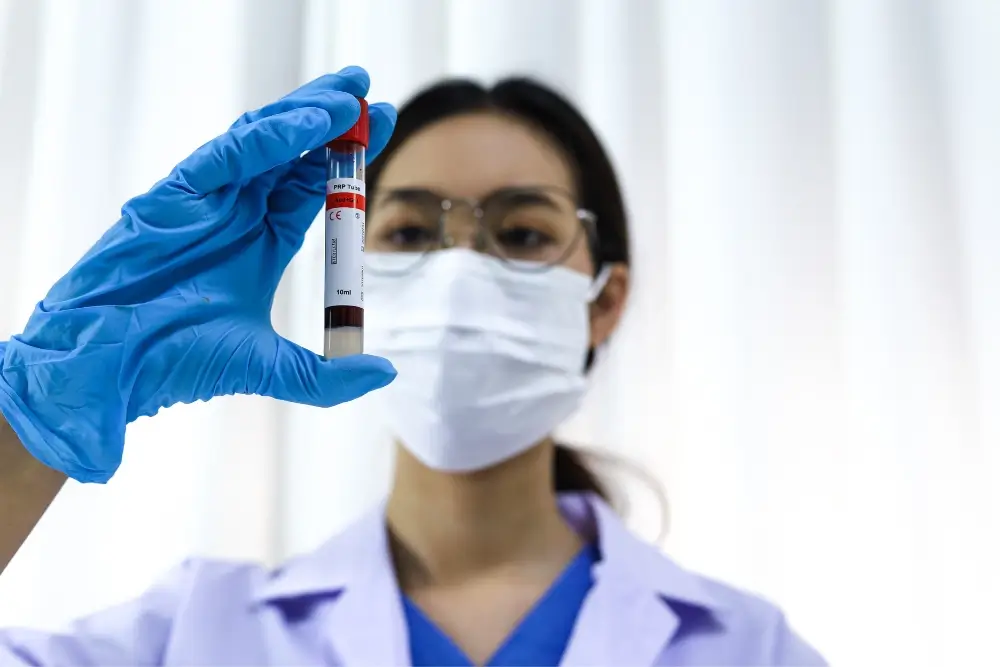
The Role of Diagnostics in Fighting STIs
Many STIs are treatable, however, access to current STI tests require complex laboratory infrastructure and long wait times for results, barriers that can delay treatment and increase the risk of further transmission.
Challenges in STI diagnostics include:
- Infections are often asymptomatic and when symptoms occur, they can be non-specific, leading to missed diagnoses.
- Stigma and lack of access to testing services
- Co-infections that complicate symptom interpretation
- Follow-up care incomplete due to delays in receiving lab-based results
- Growing resistance to frontline antibiotics
The Challenge of Drug-Resistant Infections
- Antimicrobial resistance (AMR) in N. gonorrhoeae and M. genitalium is a serious and growing threat to public health.
- Rising antimicrobial resistance further complicates treatment by limiting options.
- N. gonorrhoeae has been designated a ‘high priority antibiotic-resistant pathogen’ by the WHO and an urgent threat by the CDC.
- M. genitalium is on the CDC Antibiotic Resistance Threats Watch List
- Rapid, accurate detection and differentiation of sexually transmitted infections could help to minimise AMR by reducing onward transmission and inform appropriate antibiotic use.

Partner With Us to Develop the Future of Diagnostics
We work with innovators to bring diagnostic solutions to market faster, leveraging our advanced platforms and expertise.
Rapid Molecular STI Testing with Q-POC
QuantuMDx is developing multiplex STI assays for use on the Q-POC™ molecular diagnostic platform – a next-generation, portable device that delivers lab-quality results within a patient consultation period.
The first STI test panel will be designed to detect:
- Chlamydia trachomatis
- Neisseria gonorrhoeae (with resistance markers)
- Trichomonas vaginalis
- Mycoplasma genitalium (with resistance markers)
By including indicators of drug-resistance, this panel will provide additional information at the point-of-need for enhanced clinical decision-making.

Leading the Conversation on STIs
Our team of experts regularly curates insights, blogs, publications and papers about the latest research on STIs including how improved and faster testing methods can bring better results for point-of-need care.
Keep up to date to stay ahead of the curve and fight STIs effectively.

Multi-Drug Resistant Gonorrhoea
This blog explains why cases of multi-drug resistant gonorrhoea are a serious public health concern.

HPV and Cervical Cancer Insights
Read this blog to discover the connection between HPV and cervical cancer and what can be done to prevent this.

Rapid Diagnostics at the Point of Care
Find out how a shift towards PCR and rapid diagnostics could improve the outcomes of treatment at the Point of Care
STI FAQs
How long does it take to get STI test results?
It usually takes a few days to a week to get STI test results in the UK. Some advanced tests, like those developed here at QuantuMDx, can give faster results, even on the same day.
What are the three types of STI treatment?
The main types of STI treatment are antibiotics, antiviral medication, and sometimes antifungal treatment – though the exact treatment depends on the type of STI.
How to get an STI test?
You can get an STI test at a clinic, doctor’s office, or use a home test kit. Point-of-care STI tests help make testing quicker and easier.
When should you test for an STI?
It’s best to test if you think you’ve been exposed or have symptoms. On the other hand, some STIs require waiting a certain time before testing for accurate results.
How long does it take for STI symptoms to show?
Symptoms can appear anywhere from a few days to several weeks after exposure, depending on the STI.
How long does STI treatment take?
Treatment length varies. For bacterial STIs treated with antibiotics, it can take a few days to a week. Viral infections may need longer-term treatment.